
Vegetables
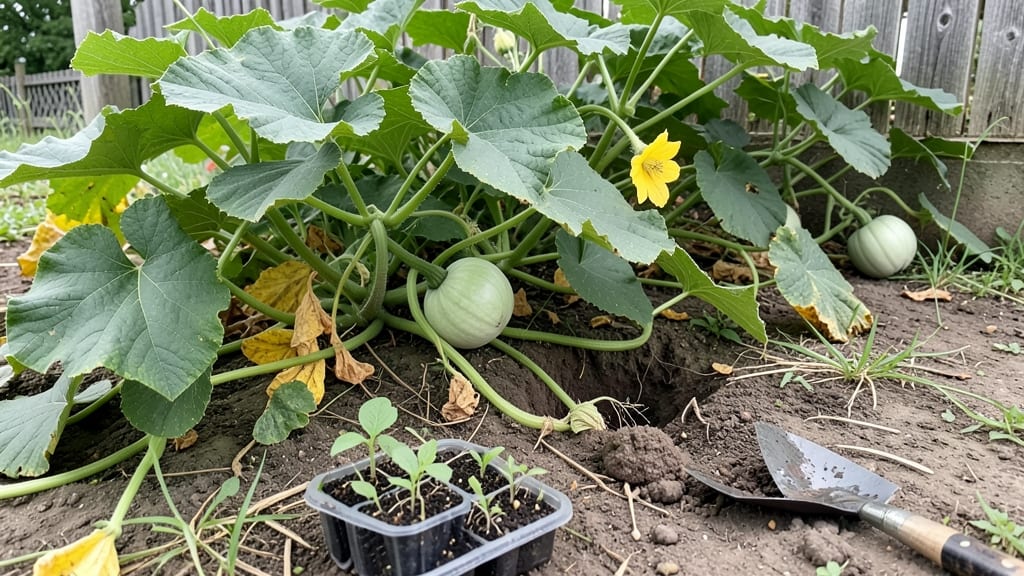
Start planting pumpkins after your last frost date, when soil warms to at least 60°F—that’s typically late April to early May in most regions 🎃.
Timing your pumpkin planting perfectly can mean the difference between a bountiful harvest and a disappointing patch—especially when dealing with finicky vines that need warmth and space to thrive. But with climate zones ranging from tropical to subarctic, when exactly should you start?
Pumpkins thrive in full sun and need 85–120 days to reach harvest, so planting too early risks frost damage, while waiting too long cuts your growing season short. In USDA Zone 6a, aim for late April to early May, but adjust for your local frost-free dates.
Below, I’ll break down the best planting windows by zone, whether to start seeds indoors or sow directly, and how to spot the perfect moment for your patch to flourish.


Optimal planting times by USDA climate Zone for pumpkin success
Pumpkins thrive in warmth, but their planting window varies dramatically depending on your USDA climate zone. In Zone 10-11, you might plant year-round, while Zone 1-3 gardeners need to time it precisely to avoid frost.
The key? Soil temperatures above 60°F (15°C) and frost-free dates—but regional microclimates (like high deserts or humid south) add extra layers. Let’s break it down by zone for both direct sowing and transplanting.
For ornamental varieties (like 'Jack Be Little') or edible pumpkins (such as 'Howden' or 'Cinderella'), timing shifts slightly. Ornamentals often need longer vines for display, while edibles prioritize early maturity to beat frost.
Always check your last frost date—but remember, pumpkins need 90–120 frost-free days to mature. Adjust for high-altitude zones (e.g., Zone 5 in Colorado) where nights stay cooler longer.
🚨 CRITICAL NOTE: Never plant pumpkins in cold, wet soil—they rot faster than they sprout. Use a soil thermometer to confirm readiness. In Zones 1-4, start seeds indoors 4–6 weeks before last frost, while Zones 5-9 can direct-sow after soil warms. Zones 10-11?
Plant in fall or winter for spring harvests!
| USDA Zone | Direct Sow Window | Transplant Window | Soil Temp Requirement | Notes |
|---|---|---|---|---|
| Zones 1-3 | Late May–June | Start indoors 6–8 weeks before last frost | 60–65°F (15–18°C) | Use black plastic mulch to warm soil faster. Choose early varieties like 'Early Golden'. |
| Zones 4-5 | Mid-May–early June | Start indoors 4–6 weeks before last frost | 60°F (15°C) | High deserts: plant 2 weeks later due to cooler nights. Avoid late varieties. |
| Zones 6-7 | Early May–mid-June | Transplant after soil warms (no indoor start needed) | 60–65°F (15–18°C) | Humid south: space vines 8–10 ft apart to prevent disease. Succession plant every 2 weeks. |
| Zones 8-9 | April–early May | Not recommended (direct-sow only) | 60°F (15°C) | Long growing season: try winter varieties for fall harvests. Mulch to retain moisture. |
| Zones 10-11 | Fall (Sept–Oct) or Spring (Feb–March) | Not needed (direct-sow) | 65–70°F (18–21°C) | Tropical climates: plant year-round. Watch for pests like squash bugs in humidity. |
In Zones 1-5, I recommend transplanting seedlings instead of direct-sowing to give vines a head start. Use biodegradable pots to avoid root shock, and harden off seedlings for 7–10 days before moving them outdoors. For Zones 6-9, direct-sowing is easiest—just wait until nighttime temps stay above 50°F (10°C). Pro tip: Plant near corn (the "Three Sisters" method) to deter pests naturally.
Regional tweaks matter! In the Southwest desert (e.g., Zone 7b in Arizona), plant earlier (March) to avoid 100°F+ soil, which can scorch seeds. Meanwhile, in Pacific Northwest rainforests (e.g., Zone 8 in Oregon), prioritize well-draining soil to prevent rot.
Always amend clay soil with compost—pumpkins hate soggy feet!
For ornamental pumpkins, like 'Giant Cabbage Patch', give them extra space (12–15 ft between vines)—their fruits can weigh 50+ pounds! Edible varieties like 'Sugar Pie' (80-day maturity) are better for shorter seasons.
If you’re in Zone 10, try fall planting for Thanksgiving harvests. Just remember: Pumpkins need space—don’t crowd them, or you’ll lose fruit to disease.
🌱 MY TOP TIP: Use a planting calendar (like the Old Farmer’s Almanac) to track your local frost dates. Add 2–3 weeks to your last frost date for safety—pumpkins grow slowly at first.
In Zones 1-4, consider row covers to extend the season by 2–3 weeks. For <
Key signs your pumpkin planting timing is wrong (and how to fix it)
Pumpkins are warm-season lovers that thrive in heat but wilt under frost. Planting them too early or late can leave you with stunted vines, yellowing leaves, or worse—no pumpkins at all.
Even if you follow general planting guides, microclimates (like urban heat islands or cold mountain valleys) can throw off your timing. Let’s troubleshoot the most common mistakes and how to recover before it’s too late.
First, check your last frost date—but don’t rely on it alone. Pumpkin seeds need soil temps of 60°F+ to germinate.
If you plant too early in cool zones (3-6), frost can kill seedlings, while planting too late in hot zones (7-11) may leave vines struggling to mature before frost. Even in ideal zones, poor timing shows up in weak stems, few flowers, or small, deformed fruit.
If your pumpkin seeds sprout but stunt within 2 weeks, you likely planted too early. Yellowing leaves or blackened stems mean frost damage. Conversely, if vines stop growing by August, you planted too late—fruit won’t mature before frost. Fix it: Adjust next year’s timing by 2-4 weeks earlier (early zones) or use cold-hardy varieties like 'Howden' (zones 3-9).
One of the first red flags is slow or no germination. If seeds take longer than 7-10 days to sprout, your soil may be too cold. Test it with a soil thermometer—if it’s below 60°F, wait or use black plastic mulch to warm the soil faster.
Another clue? Seedlings with purple stems—this signals phosphorus deficiency, often linked to poor soil prep before planting. Amend soil with compost or bone meal to correct it.
Even if seeds sprout, poor fruit set is a classic timing mistake. Pumpkins need consistent warmth for male and female flowers to open simultaneously.
If you see lots of male flowers (long stems) but few female flowers (with tiny pumpkins at base), your plants are stressed—likely from late planting or inconsistent temps. Solution: Hand-pollinate flowers with a paintbrush in the morning, and choose early-maturing varieties (like 'Small Sugar') for next season.
For gardeners in zones 1-4, stunted growth by midsummer is almost guaranteed if you direct-sow. Instead, start seeds indoors 3-4 weeks before last frost and transplant after soil warms.
In zones 7-11, late planting can lead to heat stress—vines wilt by afternoon, and fruit cracks from uneven growth. Fix: Use shade cloth during peak heat (11 AM–3 PM) and mulch heavily to retain moisture.
Don’t ignore microclimates—your backyard might have hotter or colder spots than official frost maps suggest. For example, a south-facing slope warms up faster, while a low-lying area stays cooler.
If pumpkins thrive in one spot but struggle in another, adjust planting times by 1-2 weeks for the cooler zone. Pro tip: Plant a test row of fast-growing radishes first—they’ll show you where soil warms earliest.
If all else fails, extend your season. Use row covers to protect young plants from late frosts, or plant in containers for mobility (move pots to warmer spots as needed).
For late bloomers, try succession planting—sow a second batch 4-6 weeks after the first to catch a longer harvest window. With these fixes, you’ll turn failed timing into a bountiful pumpkin patch next year.